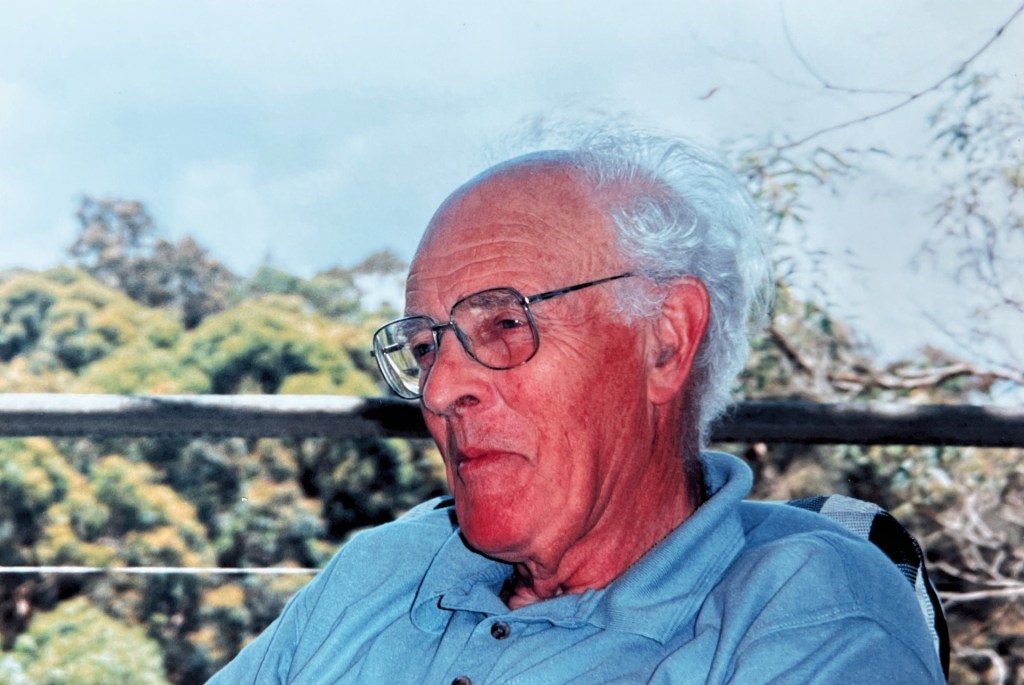
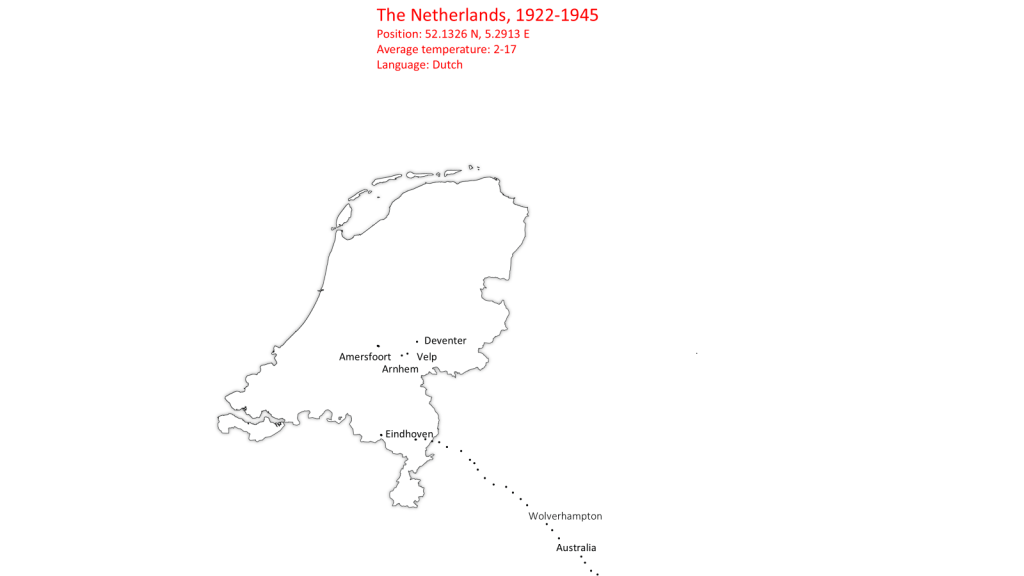
Marcel was born in Amersfoort in the Netherlands on 23 February 1922. His father’s family had lived there for generations. His mother was Belgian. She met his father after her family fled to Amersfoort from Antwerp during World War One.
When he was young his family relocated to Velp and he attended school in Arnhem. He spoke Dutch and French at home and learned English at school.
Marcel’s ambition after he left school was to study agriculture and then go to the Netherlands East Indies. Two of his Belgian uncles had worked in the Congo, and perhaps their stories of adventure had excited him. Perhaps it also simply fitted with his life-long interest in science and nature.
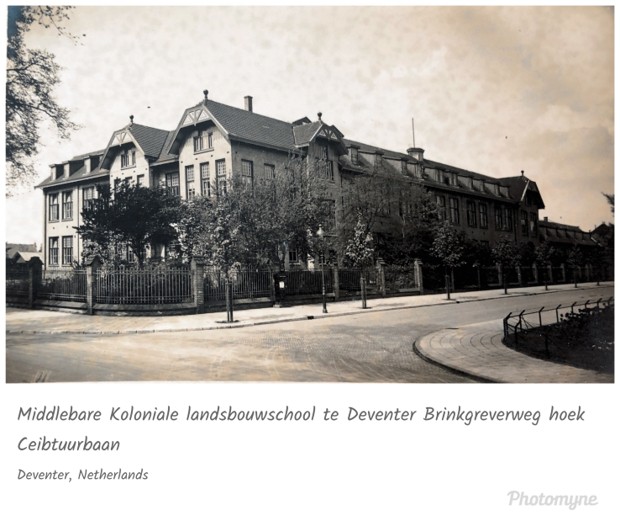
He commenced studying at the Colonial Agricultural School in Deventer in September 1939 when he was seventeen, but in May 1940 his plans were thrown into disarray when Germany invaded the Netherlands.
He was able to continue his studies for a while, but eventually he had to go into hiding to avoid being sent to Germany as forced labour.
In April 1945 he made his way to Eindhoven, which had been freed by the Allies during Operation Market Garden in September 1944, and he joined the Royal Netherlands East Indies Army (KNIL).
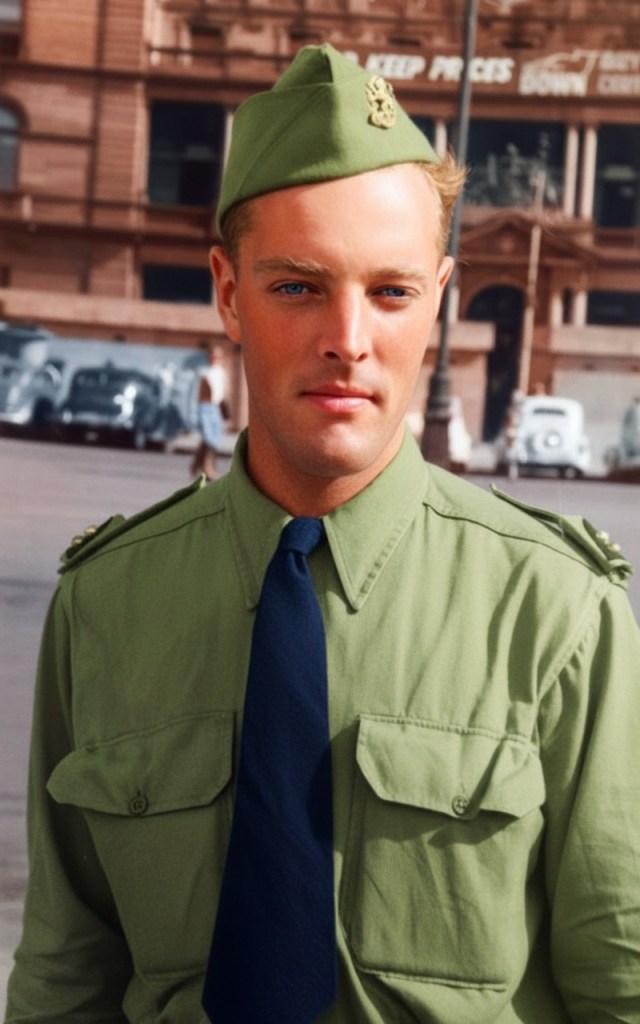
Marcel was sent to Wolverhampton in England for training and then to Australia to await the end of the war with Japan before travelling on to Indonesia. He stayed in Australia much longer than planned because he broke his leg while horseriding. In Australia he met his future wife, Margaret, a clerk in the Australian Air Force.
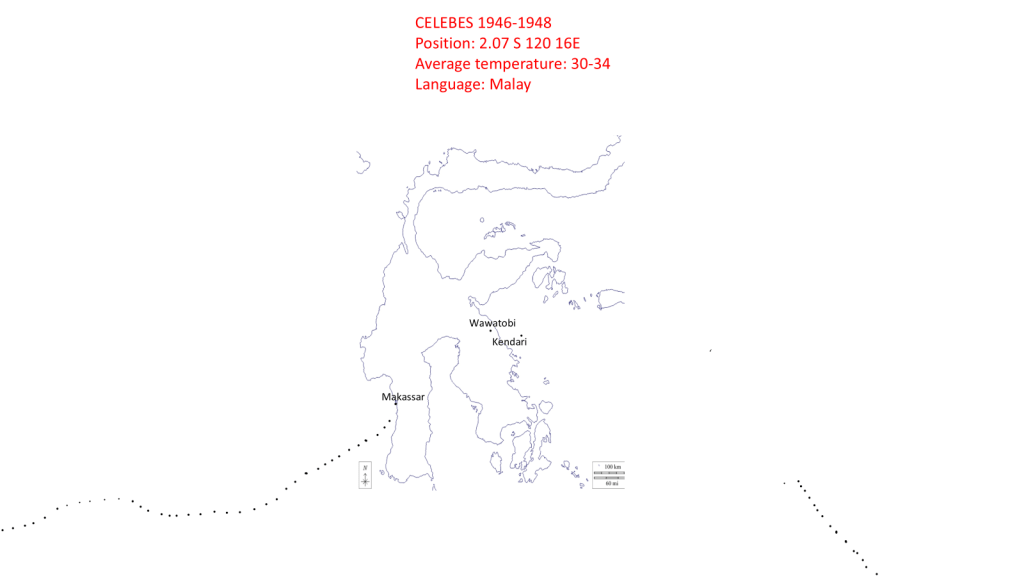
Marcel arrived in Celebes in March 1946. He was to be deployed to assist in the revival of the sugar industry and while he waited impatiently in Makassar for an assignment he threw himself into learning Malay.
Plans changed and in May 1946 he was sent to Kendari and began working on rubber plantations. He also spent a week each month at Wawatobi. He wanted Margaret to join him and urged her to learn Dutch and Malay. He said that he hoped she would not be bored because there would be servants to do the housework and gardening.
His letters to Margaret make clear how much he loved life in Celebes. He wrote about village festivals, a horseback ride in the moonlight, the boat trip from Makassar to Kendari during which he slept on the deck with the locals, travels by jeep and motorbike, going hunting for hogs, seeing a wrecked Japanese plane and the possibility of going on a crocodile hunt.
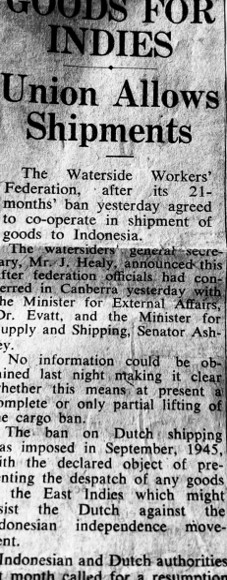
He mentioned seeing hundreds of Dutch troops in Kendari and once of seeing them guarding some ‘activists’. He felt that the Dutch were trying their best to resolve the conflict between themselves and the Indonesian nationalists who did not want the Dutch to return and told Margaret that countries such as Australia should keep their nose out of Dutch affairs.
In the end, to his great sorrow, he felt compelled to leave Indonesia. In a letter to Margaret headed ‘Batavia, 10 March 1948’, written just before he boarded a ship to return to the Netherlands, he said:
‘Having observed the development of the situation in Indonesia during the past two years, I have become quite convinced that the future for us Dutchman is rather hopeless in Indonesia.’
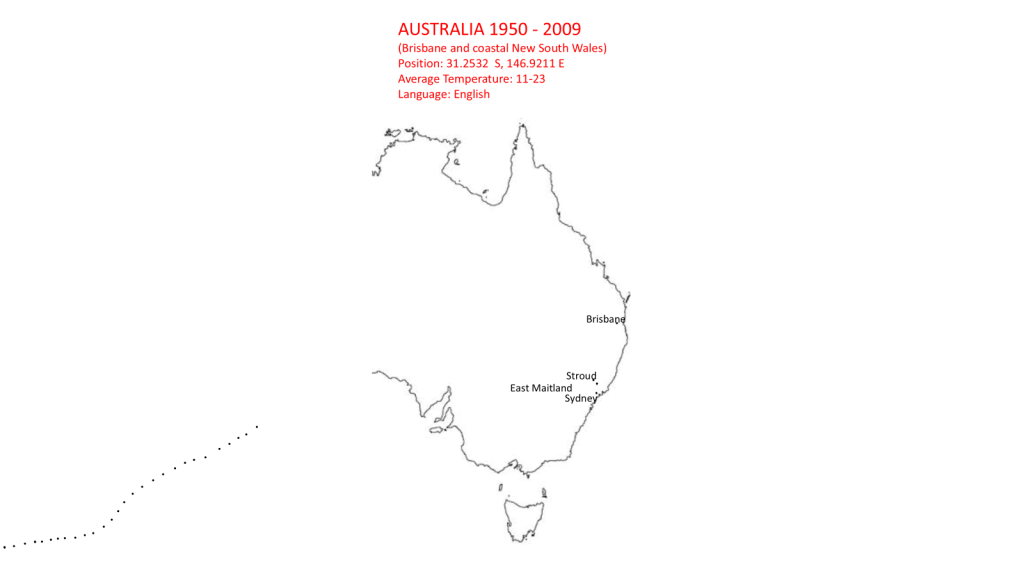
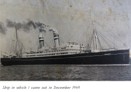
Marcel was not happy in the Netherlands. He did some further study at Deventer and considered seeking work in ‘Tropical Africa’ or South America, but in the end he decided to migrate to Australia. He obtained a place on the migrant ship Volendaam and arrived in Australia in 1950, after which he and Margaret were married.
In Australia he abandoned science and agriculture and became a town clerk. He worked diligently in that occupation for thirty years.
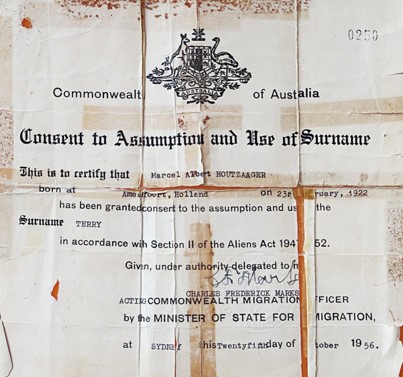
Early on he decided that his Dutch surname was ‘holding him back’ and in 1956 applied to change it to something easier for Australians to pronounce. Despite his promise to his parents he did not teach his children Dutch, and he gradually lost fluency in that language and became exclusively an English speaker.
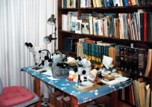
After he retired, Marcel returned to his first loves, science and nature, and completed a biology degree. He was never happier than when he was pursuing his studies, working with a local landcare group, growing vegetables and travelling Australia with Margaret in their blue van.
Marcel never spoke to his children about his experiences in Indonesia and he expressed no regret about moving to Australia. However, in the last years of his life he spent time each morning reading passages from Indonesian newspapers. For months after he died on 20 September 2009 an Indonesian newspaper and a Bahasa Indonesia/English dictionary lay open on the sunroom table.


 Exploring the past
Leave a comment